

 english
 -
Considering the Water Quality Characteristics
The hydraulic surface load should be determined based on the water quality being treated. The suspended solids content, particle size, and pollutant properties directly influence the load selection. If the suspended solids concentration is high, the particles are fine, and they easily adhere to air bubbles, the surface load should be appropriately reduced to allow sufficient time for the bubbles to fully contact and carry the pollutants upwards, thus avoiding incomplete separation due to excessively fast water flow. If the water is relatively clear and the pollutants are primarily light, buoyant particles, the load can be appropriately increased to improve treatment efficiency and avoid resource waste.
-
Considering the Equipment and Process Type
Dissolved air flotation equipment of different process types has different adaptability ranges to hydraulic surface loads. For example, shallow dissolved air flotation equipment, due to its lower separation zone height and specialized water distribution and collection methods, allows for more precise water flow control and can accommodate relatively high surface loads. Traditional horizontal dissolved air flotation equipment, on the other hand, has a relatively fixed separation space and water flow path. To ensure effective separation, a more conservative load selection is required. At the same time, the air dissolution efficiency of the dissolved air system and the effectiveness of the microbubble generation in the releaser will indirectly affect the load limit and must be considered simultaneously.
-
Based on Actual Operational Experience
In actual projects, the initial load can be determined by referring to the operating data of dissolved air flotation projects with similar water quality and treatment scale. Through on-site pilot or pilot tests, simulate the treatment effects under different load conditions and observe changes in indicators such as effluent clarity and suspended solids removal rate. If the effluent water quality consistently meets the standard and the equipment operates normally at a certain load, this load can be used as a baseline reference value. If suspended solids exceed the standard or scum is entrained in the water, the load should be appropriately reduced. The optimal operating parameters should be gradually adjusted to find the optimal parameters.
-
Consider Subsequent Treatment Needs
The determination of the hydraulic surface load must also be compatible with the subsequent treatment process. If dissolved air flotation is used as a pretreatment unit and there are subsequent processes such as biochemical treatment and filtration, the load requirements can be appropriately relaxed. As long as the effluent water quality can meet the inlet standards of subsequent processes, there is no need to excessively pursue low loads, which will lead to increased treatment costs. If dissolved air flotation is used as a terminal treatment process, the load must be strictly controlled to ensure that the effluent meets the standards directly, avoiding the impact of subsequent purification links on discharge or reuse effects.
Home
>
News >
How to Determine the Hydraulic Surface Load for Dissolved Gas Flotation
How to Determine the Hydraulic Surface Load for Dissolved Gas Flotation
2025-10-17
Hydraulic Surface Load Considerations
You May Also Like
-
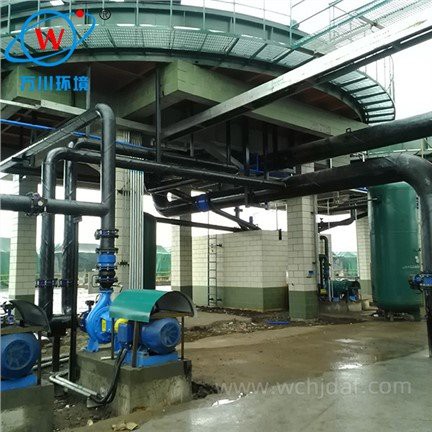 How to Optimize the Performance of a Dissolved Air Flotation Unit
 -
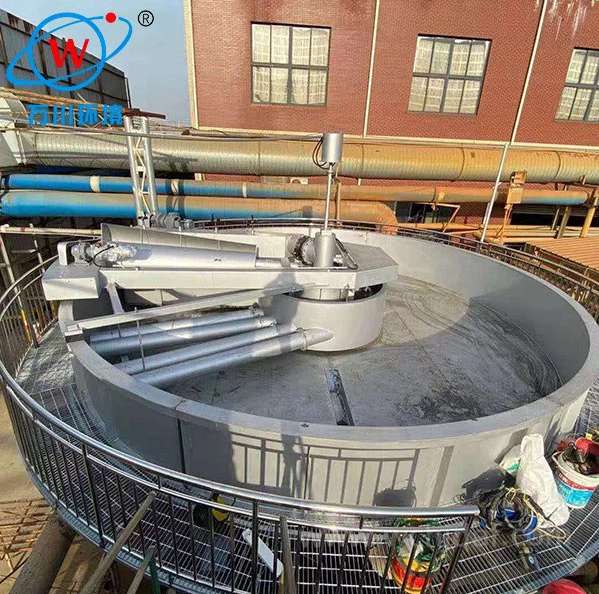 How to Improve Water Treatment Efficiency of DAF System
 -
 The Importance of Puncture Resistance in Cotton Bale Wrap Film
 -
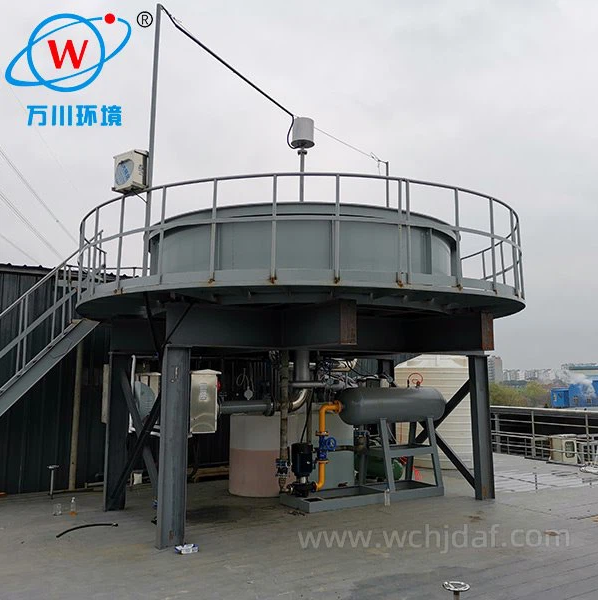 What are the core components of air flotation device
 -
 How to improve the quality of bubble generation of Air floatation device
 -
 What types of sewage can be treated by Air floatation device
Send Inquiry
Latest News