
 english
 Equipment Vibration and Noise Troubleshooting
A systematic approach to identifying and resolving vibration and noise issues in industrial equipment
Vibration and noise in industrial equipment can indicate underlying issues that may lead to reduced efficiency, component damage, or equipment failure. This guide provides a systematic approach to identifying and resolving these problems.
Troubleshooting Steps
-
Check the Equipment's Installation Foundation
The stability of the equipment's installation foundation directly affects vibration during operation.
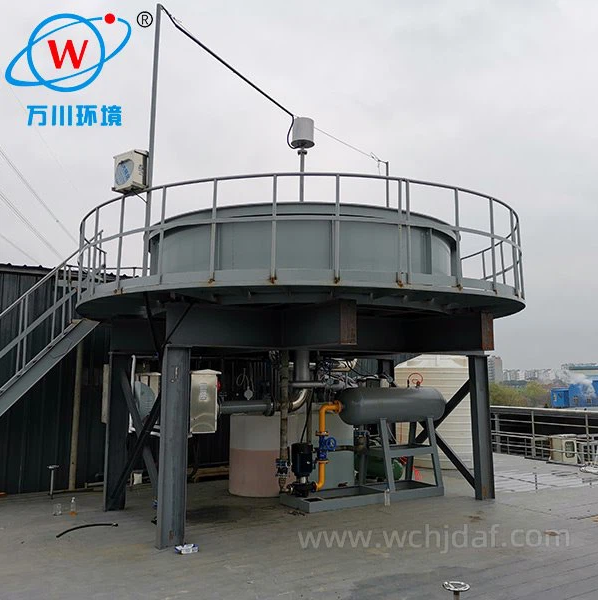
• Check the secure connection between the equipment and the foundation. Loose or missing anchor bolts can cause the equipment to shift during operation, resulting in vibration and noise.
• Inspect the foundation for cracks or subsidence. Damage to the foundation structure can cause unbalanced support, leading to shaking during operation and abnormal noise.
• Check that the equipment is level. If tilted, uneven force is applied to each component, exacerbating vibration and noise over time.
-
Check the Condition of Core Operating Components
Abnormalities in core operating components are common causes of vibration and noise.
• Focus on inspecting the operating condition of the bubble generator motor. Worn or insufficiently lubricated motor bearings can cause abnormal noise and vibration during operation.
• Inspect the impeller and agitator for deformation, wear, or foreign matter. These issues can disrupt component balance and cause irregular vibration and noise.
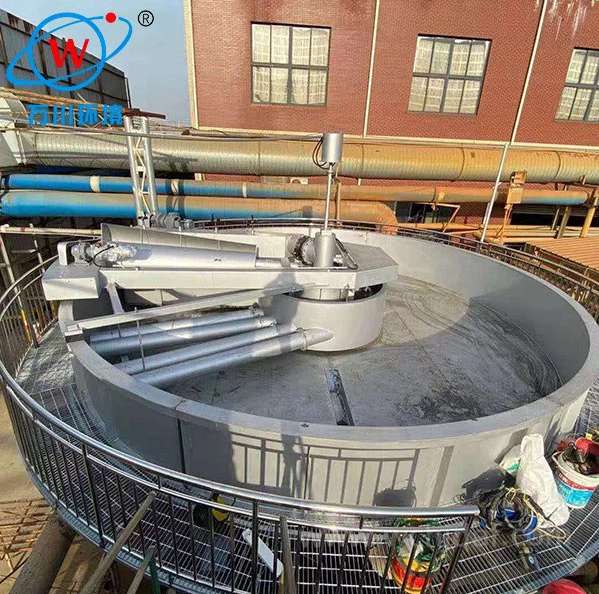
• Inspect the scraper's transmission mechanism. If chains or gears are poorly meshed or components are loose, friction noise and vibration will occur during operation.
-
Analyze Abnormal Fluid Flow
Abnormal flow of wastewater and gas within the equipment can also cause vibration and noise.
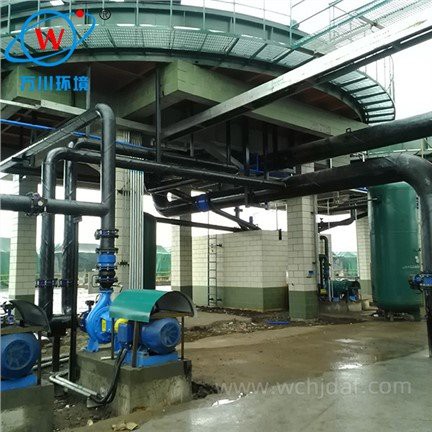
• Check the water inlet pipes for blockages or bends. Obstructed water flow can cause pressure fluctuations within the pipes, resulting in water hammer, which can cause pipe vibration and be transmitted to the main unit.
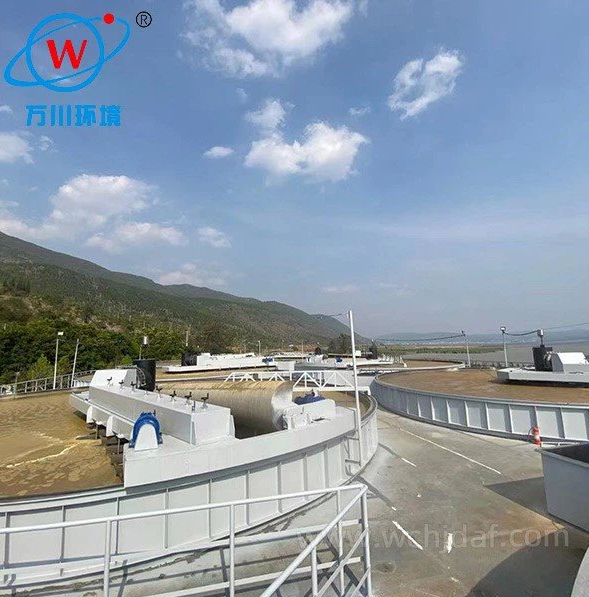
• Observe the stability of the water flow within the flotation tank. A sudden increase in the inlet flow or uneven distribution can cause severe disturbances in the water, generating impact vibration and noise.
• Inspect the gas transmission pipes for leaks or blockages. Poor gas flow can lead to unstable pressure, causing pipe vibration and abnormal noise.
-
Verify the Linkage Status of Auxiliary Systems
Abnormal linkage between auxiliary systems and the main unit can also cause vibration and noise.
• Check the operating status of auxiliary equipment such as pumps and fans. If vibration problems exist in the auxiliary equipment itself, it can be transmitted to the main unit through the pipes or foundation, causing overall vibration and noise.
• Check the connections between pipes and equipment for looseness or poor seals. Fluid leakage or turbulence at these connections can cause localized vibration and noise.
• Check whether the automatic control system is functioning properly. Improper parameter settings, resulting in frequent equipment starts and stops or sudden load changes, can exacerbate vibration and noise.
Note: Always follow safety protocols when troubleshooting equipment. Ensure equipment is properly shut down and locked out before inspection, and use appropriate personal protective equipment.
By systematically checking these four areas, you can identify the root causes of vibration and noise in your equipment and implement appropriate corrective measures to ensure optimal performance and longevity.