
 english
 DAF Wastewater Treatment Guide
Efficient separation of oil and suspended solids from industrial wastewater
Working Mechanism
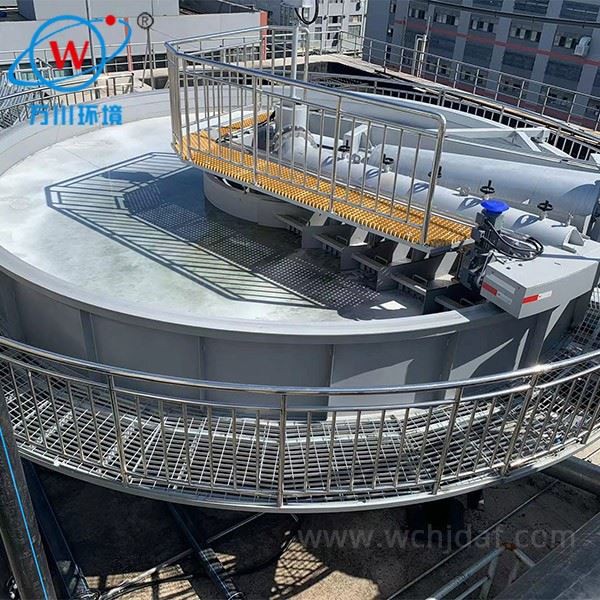
DAF wastewater treatment is widely recognized as highly efficient for oily wastewater, owing to its unique working mechanism that targets oil droplets effectively.
Key Process Steps:
- Generation of tiny air bubbles that attach to oil droplets
- Increased buoyancy causes oil particles to rise rapidly
- Formation of floating scum layer on water surface
- Easy removal of scum through skimming process
Advantage Over Sedimentation:
Oily wastewater often contains dispersed oil particles, which are small and lightweight, making them difficult to separate via traditional sedimentation methods.
Oil Removal Efficiency
Handling Emulsified Oil
The efficiency of DAF in oily wastewater treatment stems from its ability to handle both free oil and emulsified oil.
Chemical Enhancement:
- Coagulants or flocculants break down emulsion stability
- Small oil droplets aggregate into larger clusters
- Enhanced bonding with air bubbles improves separation
Industrial Applications:
System Flexibility
Another factor contributing to DAF's efficiency is its flexibility in adapting to different oil concentrations.
Adjustable Parameters:
- Air bubble size optimization
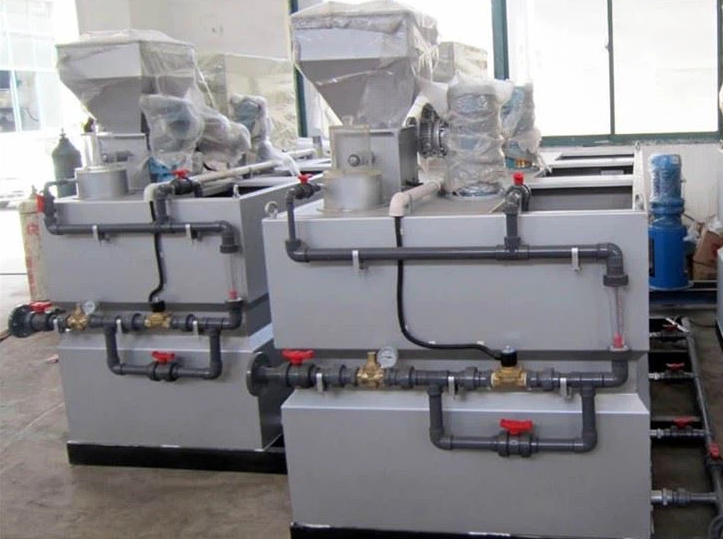
- Chemical dosage adjustment
- Hydraulic retention time modification
Consistent Performance:
Whether the wastewater has low or high oil content, DAF maintains consistent performance, reducing the risk of oil breakthrough in the treated water.
Practical Benefits
In practical applications, DAF consistently achieves high oil removal rates, producing treated water that meets strict discharge standards.
Operational Advantages:
- High oil removal efficiency
- Minimized sludge generation
- Drier scum for easier disposal
- Recycling potential for removed materials
Industry Preference:
This combination of effective separation, adaptability, and operational efficiency makes DAF a preferred choice for treating oily wastewater across various industries.