
 english
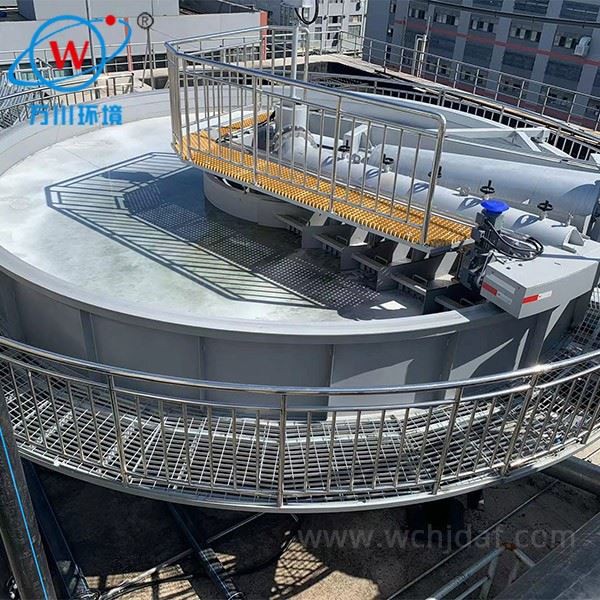
 The stability of flotation water treatment effect depends on multiple factors, including raw water quality, equipment operation parameters, and auxiliary reagent selection. Under proper design and standardized operation, its treatment effect can be kept stable, making it a reliable water treatment technology widely used in various industries.
Key Factors Influencing Treatment Stability
Raw Water Quality Fluctuation
- Primary Challenge Raw water quality fluctuation is one of the key factors affecting treatment stability. If the composition, concentration of pollutants or turbidity of raw water changes drastically, it may lead to unstable flotation effect.
- Mitigation Strategies This problem can be alleviated by equipping pre-treatment units and real-time monitoring systems. The pre-treatment units can adjust the raw water quality to a certain range, while real-time monitoring helps operators timely adjust relevant parameters according to water quality changes, ensuring the adaptability of the flotation process.
Equipment Operation Parameters
- Critical Parameters Reasonable setting of equipment operation parameters is crucial for stable effect. Parameters such as air supply volume, bubble size, and water flow rate directly affect the contact efficiency between bubbles and pollutants.
- Automation & Maintenance Advanced flotation equipment is usually equipped with automatic control systems, which can accurately control these parameters and avoid unstable effect caused by manual operation errors. In addition, regular maintenance of equipment, such as cleaning the bubble generator and checking the air supply system, can prevent equipment failure from affecting treatment stability.
Reagent Selection and Dosage
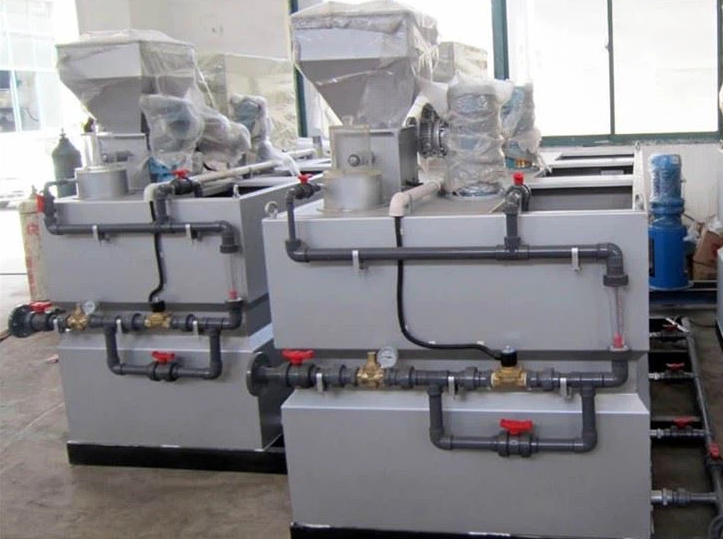
- Chemical Impact The selection and dosage of flocculants and coagulants also have a significant impact on stability. Matching reagents with the type of pollutants in raw water and controlling the appropriate dosage can ensure the formation of stable flocs that can be effectively separated by bubbles.
- Dosage Considerations Excessive or insufficient dosage may lead to poor flocculation effect and thus affect the stability of water treatment.
In general, as long as factors such as raw water quality, equipment operation and reagent selection are well controlled, the effect of flotation water treatment can be maintained stably. Its stable performance in practical applications has been verified in many fields, providing effective support for water purification and wastewater treatment.