
 english
 Water Treatment System Analysis
Key factors affecting effluent quality in dissolved air flotation systems
Abnormal Operation of the Dissolved Air System
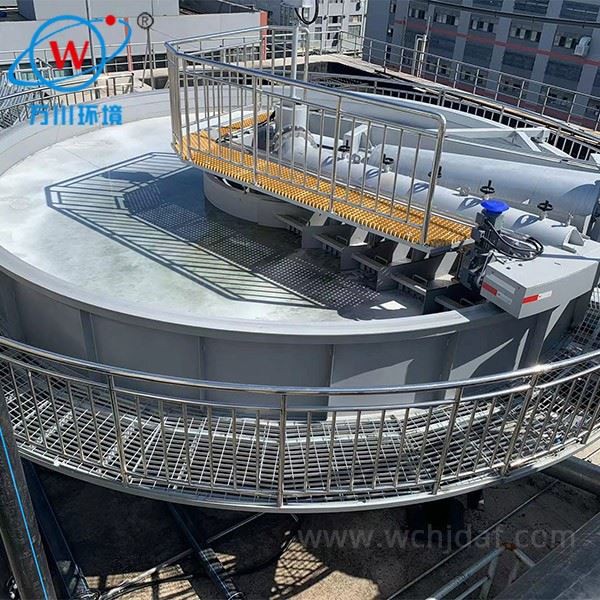
The dissolved air system is crucial for ensuring effective separation, and its operating status directly impacts effluent quality.
- Excessive pressure fluctuations within the dissolved air tank can lead to unstable dissolved air levels
- A clogged or damaged releaser can impede bubble release
- Reduced efficiency of the dissolved air pump affects stable dissolved air pressure and flow
These issues result in uneven bubble size, fluctuating bubble numbers, and insufficient pollutant removal.
Inadequate Adaptability of the Flocculation Process
The flocculation effect is crucial for subsequent separation in the water treatment process.
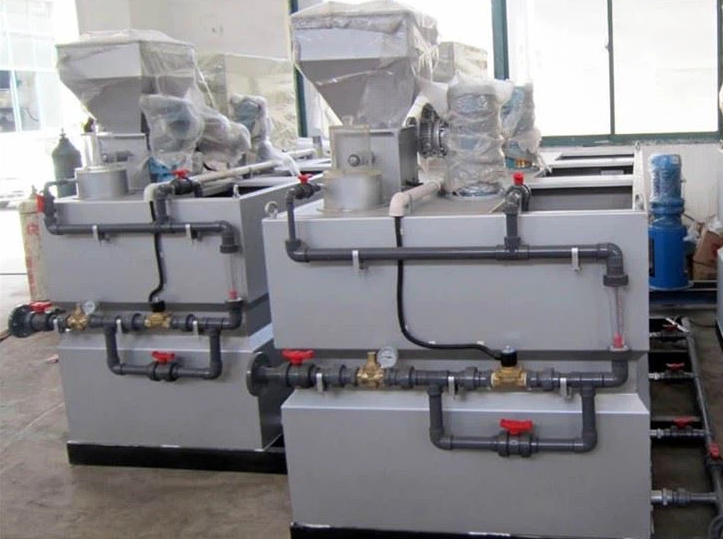
- Improper flocculant selection results in poor reaction with pollutants
- Improper control of flocculant dosage causes coagulation issues
- Insufficient flocculation reaction time or inappropriate agitation intensity
These factors lead to unstable floc formation, preventing effective bubble adsorption and flotation.
Large Fluctuations in Influent Conditions
Stability in influent quality and volume is essential for the proper functioning of a DAF system.
- Sudden rises in influent pollutant concentrations exceed designed capacity
- Excessive fluctuations in influent flow rate alter water velocity and residence time
- Changes in influent pH affect flocculant effectiveness and bubble stability
These variations compromise treatment stability and lead to degraded effluent quality.
Omissions in Operation and Maintenance
Improper daily operation and maintenance practices contribute to unstable effluent quality.
- Failure to adjust operating parameters based on water quality changes
- Long-term lack of regular maintenance leads to equipment issues
- Delayed replacement of aging and damaged equipment components
These omissions result in system operation abnormalities and fluctuating effluent quality.