
 english
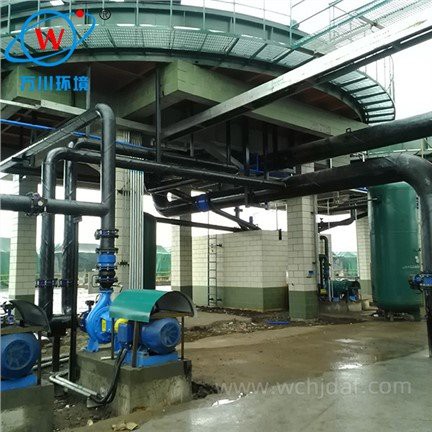
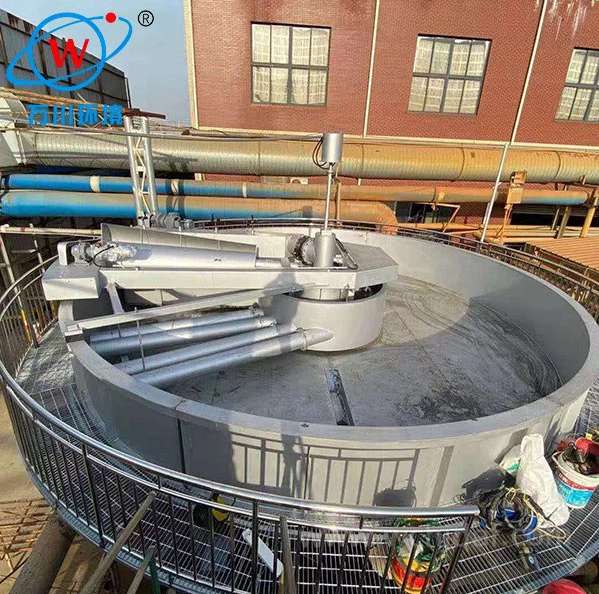
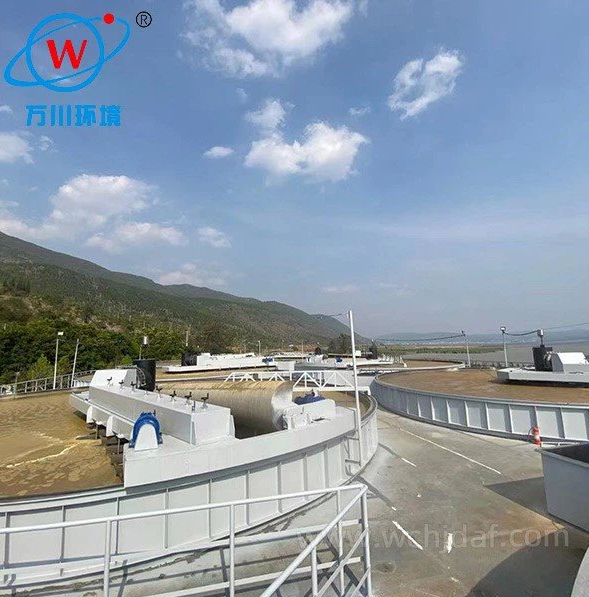
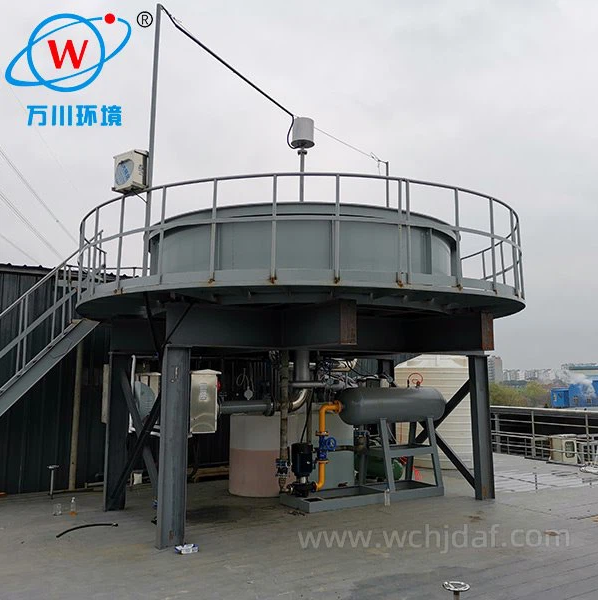
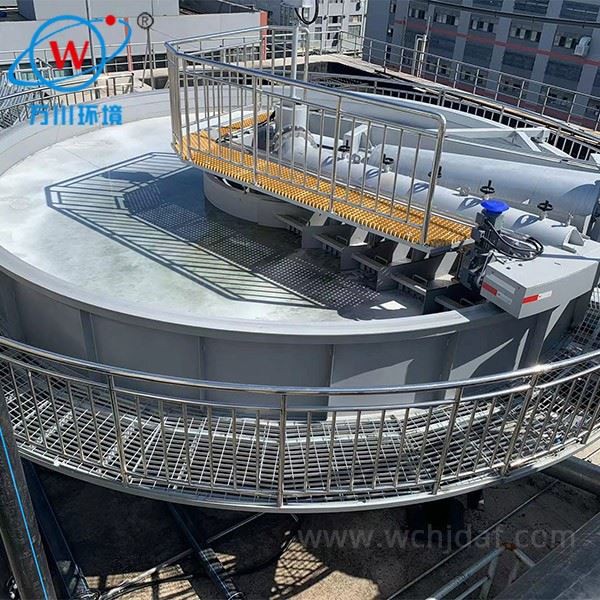
 Shallow Air Flotation Unit
Energy Efficiency Analysis and Design Advantages
To address whether the Shallow Air Flotation Unit has low energy consumption, the answer is unequivocally yes. This equipment is specifically engineered with energy efficiency as a core design principle, integrating structural optimizations and advanced technologies to minimize power usage while maintaining high treatment performance.
Shallow Structural Design
- Reduces the distance water needs to travel compared to traditional deep-tank systems
- Minimizes hydraulic resistance and decreases pump workload
- Compact layout shortens treatment path for more efficient separation
- Directly cuts down on energy expenditure through optimized flow dynamics
Advanced Aeration System
- Utilizes microbubble generation technology for fine, uniformly distributed bubbles
- Operates with minimal power requirements due to efficient bubble production
- Large specific surface area of microbubbles enables rapid attachment to contaminants
- High contact efficiency eliminates need for excessive aeration intensity
- Saves energy compared to systems generating larger, less efficient bubbles
Intelligent Operation Controls
- Real-time monitoring of water quality and treatment load
- Automatic adjustment of pump and aerator outputs
- Prevents unnecessary energy waste from constant high-power operation
- Ensures equipment operates within optimal energy-efficiency range
- Energy-saving motors and low-friction components reduce power loss
Practical Application Benefits
In practical applications, the unit's low energy consumption is evident across various wastewater treatment scenarios. It maintains efficient pollutant removal while consuming significantly less power than conventional air flotation systems, making it an economical and environmentally friendly choice for both small-scale and medium-scale wastewater treatment projects.
Traditional Air Flotation Systems
- Higher energy consumption due to deep-tank design
- Greater hydraulic resistance increases pump workload
- Less efficient bubble generation technology
- Limited intelligent controls for energy optimization
- Higher operational costs over time
Shallow Air Flotation Unit
- Optimized shallow design reduces energy requirements
- Minimized hydraulic resistance decreases power consumption
- Advanced microbubble technology for efficient aeration
- Intelligent controls adapt to varying treatment loads
- Lower operational costs and environmental impact