
 english
 Daily Maintenance of Sewage Treatment Air Flotation Equipment
Preventive care and routine checks for optimal performance
The daily maintenance process of sewage treatment air flotation equipment is not inherently complicated, as it focuses on preventive care and routine checks tailored to the equipment's core components. The complexity largely depends on factors such as equipment design, operating conditions and adherence to standard procedures, with most tasks being manageable with basic training and consistent execution.
1Routine Cleaning
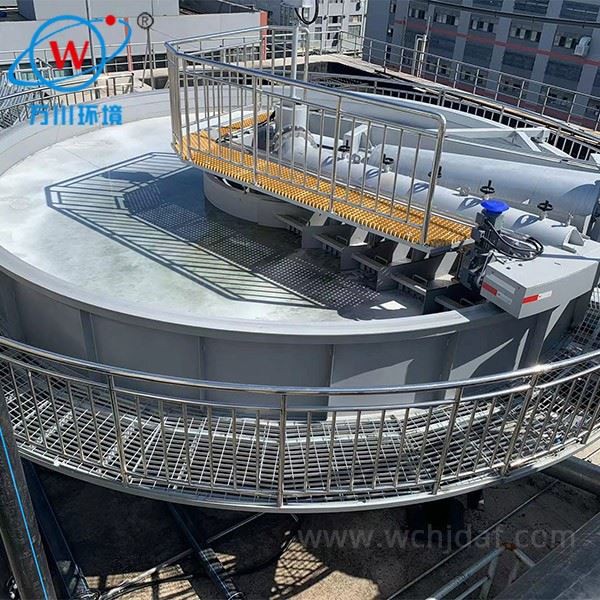
Routine cleaning forms the foundation of daily maintenance. Operators need to remove accumulated scum and residues from the tank surface and internal components, such as scum scrapers and weirs. This task is straightforward, often involving manual scraping or flushing with water to prevent blockages that could hinder bubble formation and pollutant separation. Dissolved air release devices also require regular cleaning to remove mineral deposits or organic fouling, ensuring uniform bubble generation—this process typically involves simple disassembly and rinsing without specialized tools.
2Component Inspections
Component inspections are another key aspect, focusing on critical parts like air compressors, pumps, valves and seals. Operators check for signs of leakage, abnormal noise or reduced performance, which can indicate wear or malfunction. Lubrication of moving parts, such as motor bearings and rotating scrapers, is performed periodically using appropriate lubricants to minimize friction and extend service life. These inspections follow clear checklists and do not require advanced technical expertise, making them easy to integrate into daily operations.
3Chemical Management
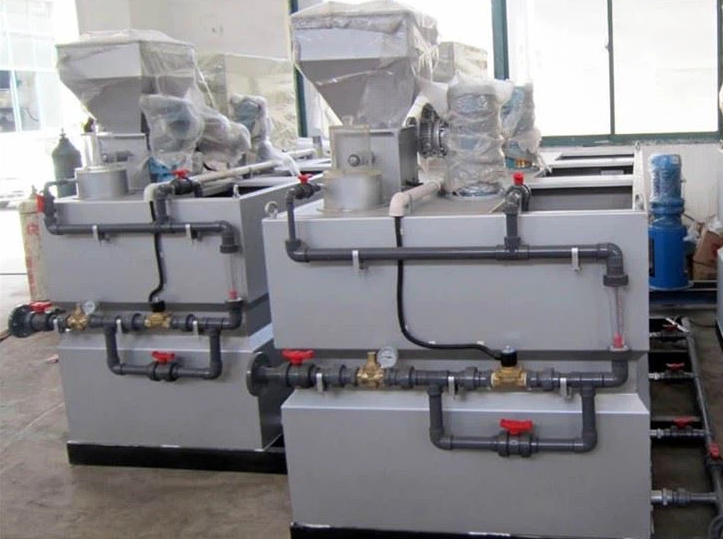
Chemical management is a relatively simple but important part of maintenance. Ensuring proper storage and supply of coagulants, flocculants or surface modifiers prevents inconsistencies in treatment efficiency. Operators monitor chemical levels and adjust dosages based on sewage quality, a task that relies on basic observation and adherence to established guidelines rather than complex calculations.
Maintenance Best Practices
- Regularity Over Complexity: Following standardized procedures for cleaning, inspection and basic upkeep
- Preventive Focus: Consistent execution of preventive measures reduces likelihood of major breakdowns
- Manageable Workload: Daily maintenance keeps workloads manageable with basic training
- Checklist Approach: Using clear checklists for systematic component inspections
Overall, the daily maintenance of air flotation equipment emphasizes regularity over complexity. By following standardized procedures for cleaning, inspection and basic upkeep, operators can keep the equipment running reliably without encountering overly intricate tasks. The key is consistent execution of preventive measures, which reduces the likelihood of major breakdowns and keeps maintenance workloads manageable.