
 english
1
Impact of Equipment Type on Energy Consumption
- Different types of DAF systems have significantly different energy consumption profiles.
- Traditional pressurized DAF systems require maintaining high-pressure environments, resulting in high energy consumption from pumps and air compressors.
- Shallow DAF systems rely on efficient separation structures and don't require high-pressure operation, reducing energy consumption by more than 30% compared to traditional types.
- High-efficiency DAF systems optimize dissolved air efficiency and reduce power equipment load, resulting in moderate energy consumption.
2
Energy Consumption Correlation of Operating Parameters
- The setting of operating parameters directly affects energy consumption levels.
- Excessive dissolved air pressure or reflux ratio can lead to power equipment overload and sharp energy consumption increases.
- If influent suspended solids concentration exceeds design range, operating power must be increased to ensure treatment effectiveness, indirectly increasing energy consumption.
- Reasonable parameter adjustment to keep equipment in its optimal operating range can effectively control energy consumption.
3
Energy Consumption Optimization Space of Process Support
- Process support design has a profound impact on energy efficiency.
- Variable frequency control systems allow dynamic adjustment of equipment power based on influent quality, avoiding ineffective energy consumption.
- Pretreatment units reduce influent impurity content, decreasing flotation system operating load and indirectly saving energy.
- High-efficiency dissolved air releasers improve dissolved air utilization and reduce power consumption.
4
Impact of Operation and Maintenance Management on Energy Consumption
- Standardized operation and maintenance management can effectively control energy costs.
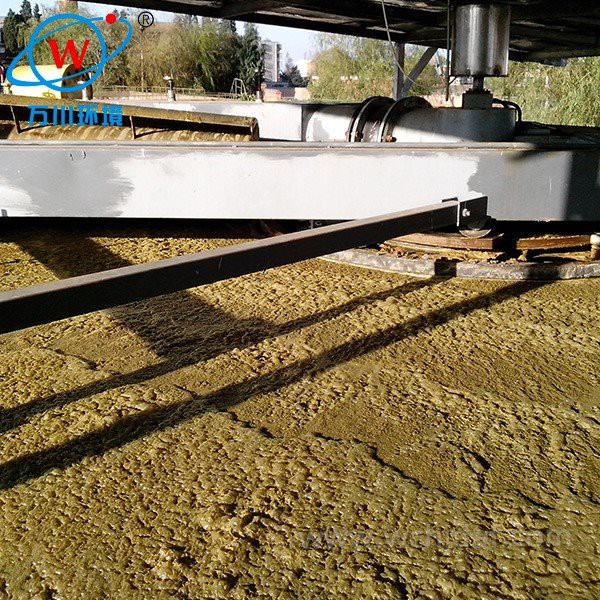
- Sludge buildup and pipe blockages increase operating resistance and lead to higher energy consumption.
- Regular cleaning and maintenance keep equipment running efficiently and prevent energy waste.
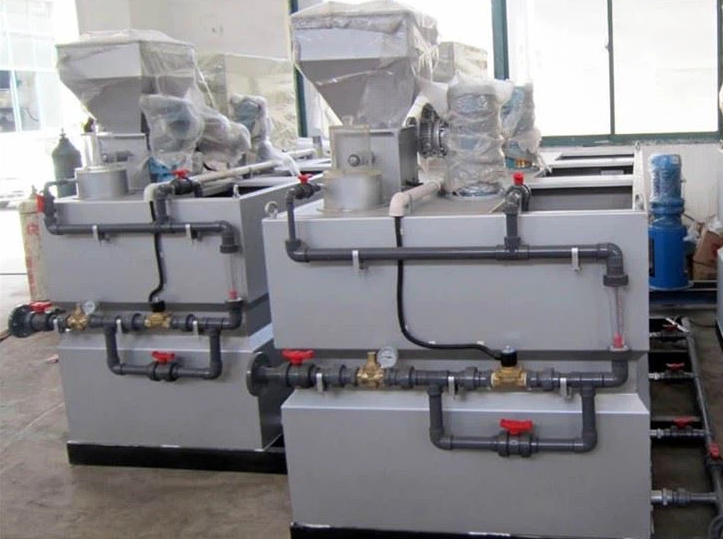
- Improper chemical dosing affects treatment effectiveness and indirectly increases energy consumption.
- Precise chemical control reduces overall energy costs and ensures low-energy system operation.