
 english
 DAF System Efficiency Factors
Key elements affecting the performance of Dissolved Air Flotation wastewater treatment systems
The efficiency of a DAF, or Dissolved Air Flotation, wastewater system is not fixed but varies based on key factors, including the nature of the wastewater, system design, and operational practices—all of which shape its ability to remove contaminants effectively.
Type of Contaminants
The type of contaminants in the wastewater directly impacts efficiency.
- DAF systems excel at removing light, buoyant pollutants such as oil, grease, and suspended solids
- These substances easily attach to tiny air bubbles, allowing quick separation from water
- High removal rates for bubble-pollutant aggregates that rise rapidly to the surface
- Efficiency decreases for dense or dissolved pollutants like heavy metals or high-concentration organic matter
- Pre-treatment like chemical dosing may be needed to form larger flocs for better capture
System Design
System design plays a critical role in optimizing efficiency.
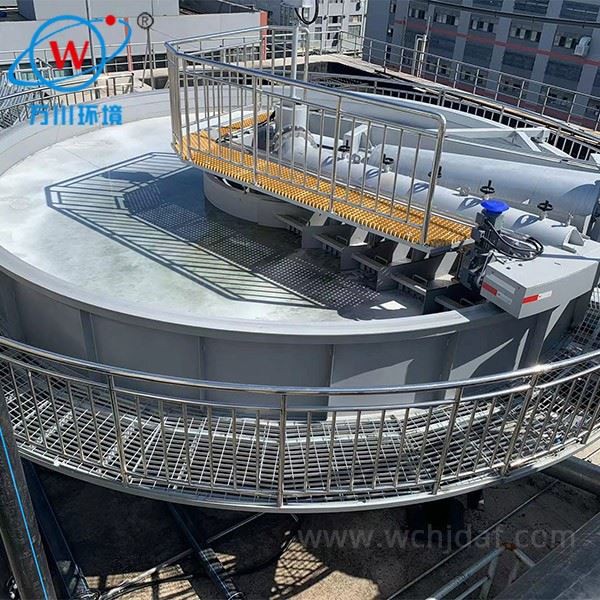
- Well-engineered systems feature properly sized flotation tanks and efficient dissolved air generators
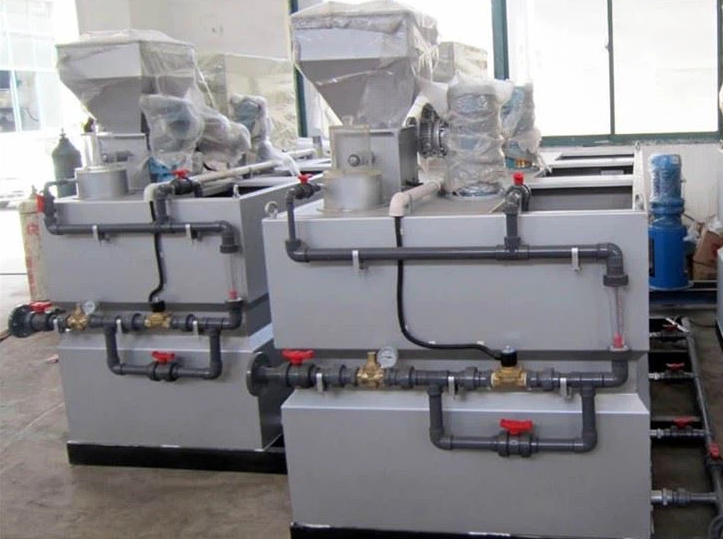
- Precise chemical dosing mechanisms improve performance
- Uniform, tiny air bubbles increase surface area for pollutant attachment
- Even wastewater flow prevents short-circuiting (untreated water bypassing flotation zone)
- Proper design maintains consistent performance across varying conditions
Operational and Maintenance Practices
Operational and maintenance practices influence long-term efficiency.
- Regular monitoring and adjustment of key parameters like dissolved air pressure and reflux ratio
- Chemical dosage must be aligned with wastewater conditions
- Neglecting maintenance can reduce bubble generation and disrupt pollutant separation
- Sludge buildup in tanks or dirty air diffusers lower efficiency over time
- Preventive maintenance ensures consistent performance
Practical Applications
In practical applications, DAF systems demonstrate reliable efficiency for targeted uses, such as treating industrial wastewater from food processing, metal finishing, or oil refining. When paired with appropriate pre- or post-treatment steps for complex pollutants, they consistently meet discharge standards.
Overall, the efficiency of a DAF system is manageable through careful design, tailored operation, and routine care—making it a flexible solution for many wastewater treatment needs.