

 english
 -
1Precise Control Based on Water Quality Characteristics
Dissolved air pressure adjustment needs to be dynamically adjusted in conjunction with the influent water quality, with the core being matching the pollutant removal requirements.
For wastewater with high concentrations of suspended solids, the dissolved air pressure needs to be appropriately increased to promote the generation of more microbubbles, enhance the adsorption and binding capacity of bubbles with pollutants, and improve the separation effect.
If the influent pollutant concentration is low, the pressure can be appropriately reduced to avoid excessive bubble production leading to energy waste, while also preventing excessive bubble aggregation that affects separation accuracy, achieving a balance between effect and energy consumption.
-
2Gradual Adjustment Using a Dedicated Valve
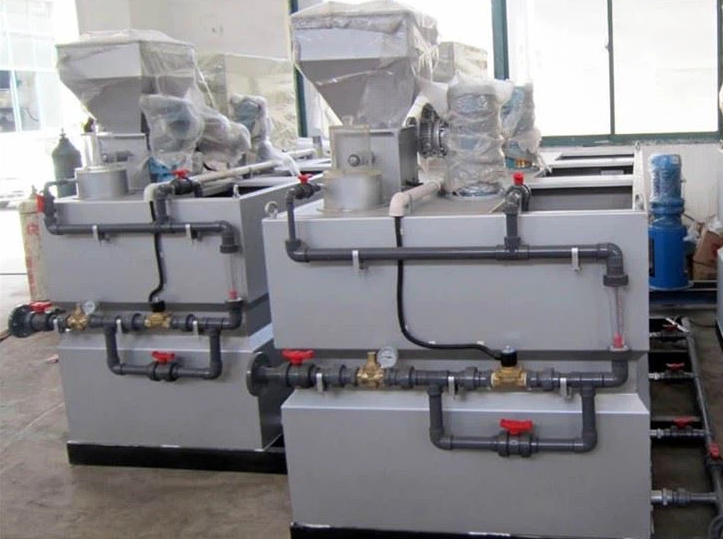
Adjustment is performed using the pressure control valve of the equipment's built-in dissolved air tank, following the principle of gradual fine-tuning.
First, slowly open the valve and observe the changes in the pressure gauge readings to avoid sudden pressure changes caused by a large one-time adjustment, which can lead to unstable dissolved air effects.
During adjustment, monitor the bubble generation status in real time. If the bubbles are small and uniform, the pressure is appropriate. If the bubbles are too large or insufficient, continue to fine-tune the valve until the ideal dissolved air state is achieved, ensuring a smooth and controllable adjustment process.
-
3Coordinated Adjustment of Dissolved Air Time
Dissolved air pressure adjustment must be coordinated with dissolved air time to form an optimal combination.
When the pressure increases, the dissolved air time can be appropriately shortened to avoid excessive gas dissolution and bubble overflow waste; when the pressure decreases, the dissolved air time needs to be extended to ensure that the gas is fully dissolved in the water and to ensure the generation of sufficient effective bubbles.
Through coordinated adjustment of both, dissolved air efficiency can be maintained while avoiding system imbalance caused by adjusting a single parameter, ensuring stable flotation treatment results.
-
4Dynamic Calibration Based on Operating Conditions
After adjustment, dynamic calibration should be performed based on the overall operating conditions of the equipment, monitoring indicators such as effluent water quality and bubble rising speed.
If the suspended solids content in the effluent exceeds the standard, the dissolved air pressure may be insufficient and needs to be gradually increased; if bubbles carry water and overflow, it indicates that the pressure is too high and should be appropriately decreased.
At the same time, the accuracy of the pressure gauges should be checked regularly to avoid adjustment deviations caused by instrument errors, ensuring that the dissolved air pressure always adapts to real-time operating requirements and maintains efficient and stable equipment operation.
Home
>
News >
How to Adjust the Dissolved Air Pressure of Combination Air Flotation
How to Adjust the Dissolved Air Pressure of Combination Air Flotation
2026-02-07
Important Note: Proper dissolved air pressure adjustment is critical for optimal flotation system performance. Always follow manufacturer guidelines and monitor system responses during adjustment to ensure efficient operation and energy conservation.
No Information
You May Also Like
-
 How to Optimize the Performance of a Dissolved Air Flotation Unit
 -
 How to Improve Water Treatment Efficiency of DAF System
 -
 The Importance of Puncture Resistance in Cotton Bale Wrap Film
 -
 What are the core components of air flotation device
 -
 How to improve the quality of bubble generation of Air floatation device
 -
 Energy Consumption of Flotation Water Treatment Systems
Send Inquiry
Latest News