
 english
 Excessive scum in air flotation tanks can disrupt pollutant separation, reduce effluent quality, and even block equipment, so targeted handling measures are essential to restore system efficiency.
Optimize Pretreatment Processes
- Excessive scum often stems from incomplete aggregation of pollutants in raw water, so adjust the type and dosage of coagulants or flocculants based on real-time water quality.
- Ensure coagulants fully neutralize colloidal charges, and flocculants promote the formation of dense, stable flocs—this prevents tiny, scattered particles from forming light, voluminous scum during air flotation.
- If the inlet water contains high levels of oil or organic matter, add targeted pretreatment steps (such as oil separation units) to reduce such substances before they enter the air flotation tank.
Adjust Air Flotation System Parameters
- Check dissolved air releasers regularly to clear any clogs, as blocked releasers produce uneven bubbles that fail to attach to flocs effectively, leading to excessive floating scum.
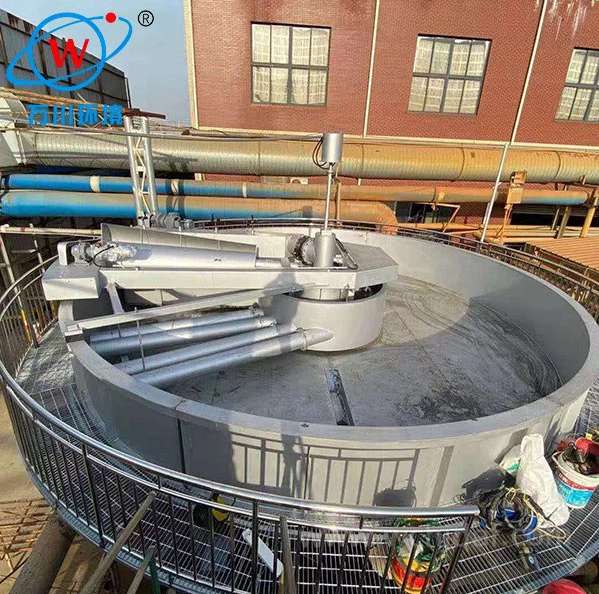
- Optimize the operation of the scum scraping device: if scum accumulates quickly, increase the scraping frequency or adjust the scraping speed to ensure scum is removed promptly before it piles up or re-dissolves into the water.
- Additionally, adjust the reflux ratio of dissolved air water to balance the water flow state in the tank, avoiding turbulent currents that break up flocs and create more scum.
Maintain the Air Flotation Tank and Monitor Scum Properties
- Clean the tank walls and bottom periodically to remove residual sludge or scum that may adhere and cause secondary pollution.
- Track the thickness, humidity, and composition of the scum—if scum is overly wet, it may indicate insufficient bubble-pollutant attachment, requiring further adjustment of coagulant dosage or dissolved air pressure.
By combining source control, parameter optimization, and regular maintenance, excessive scum in air flotation tanks can be effectively managed, ensuring stable system operation and high-quality effluent.