
 english
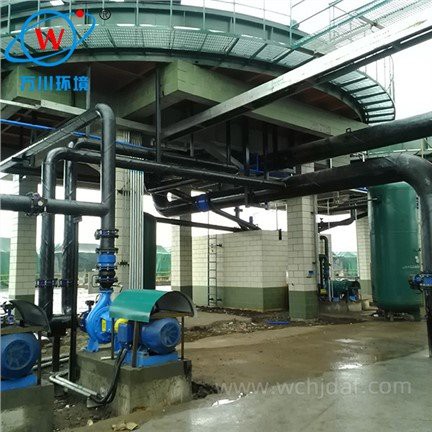
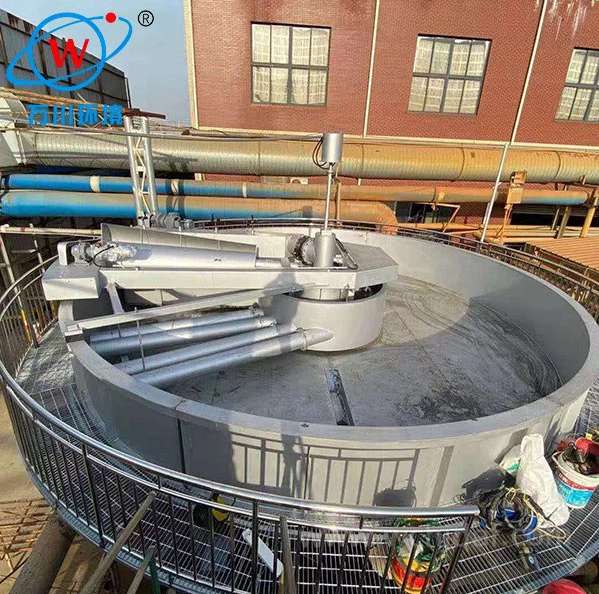
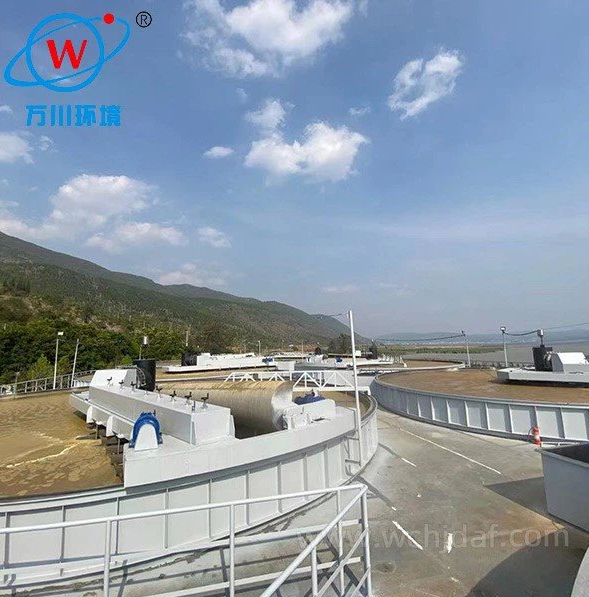
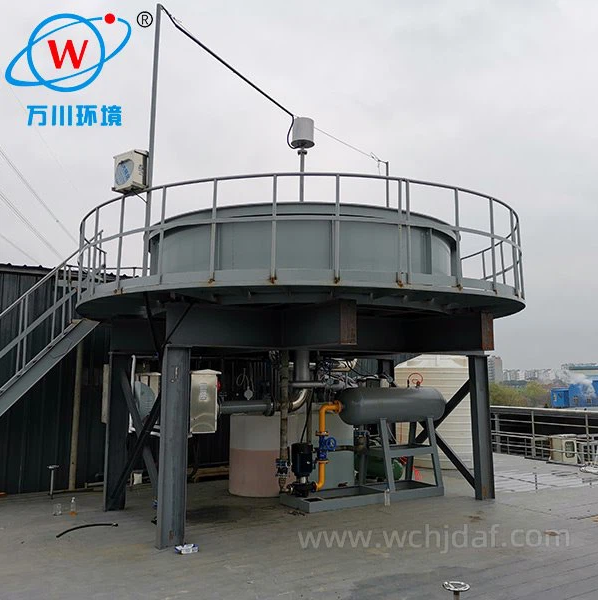
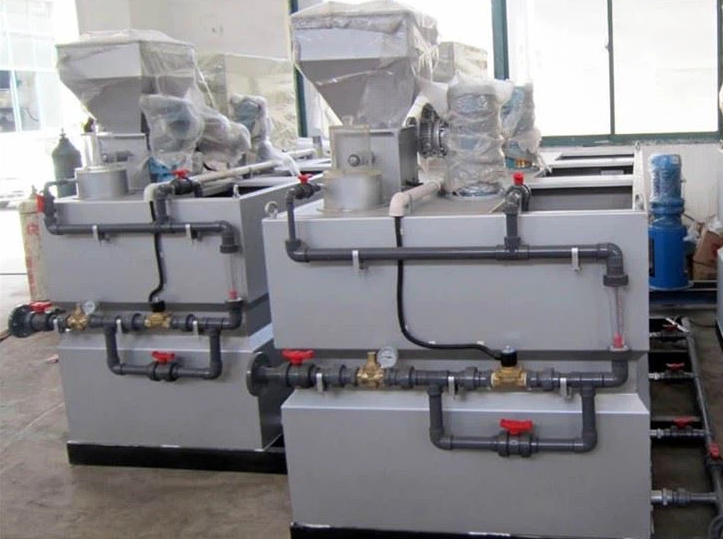
 The operational stability of combined air flotation primarily depends on the equipment's structural design. High-quality equipment adopts an integrated structure with tightly connected core components, reducing vibration and wear during operation and lowering the failure rate.
The manufacturing precision of key components such as the dissolved air tank, releaser, and scraper directly affects the uniformity of bubble generation and water flow stability.
A well-structured system can maintain stable operating conditions over long-term operation, avoiding operational fluctuations caused by component misalignment or leakage.
Operational stability is closely related to its water quality adaptability. Large fluctuations in influent water quality, such as sudden changes in pollutant concentration or pH, can easily lead to imbalances in reagent reactions and poor floc formation.
- Combined air flotation systems with flexible adjustment capabilities can adapt operating parameters to changing water quality conditions.
- Adjustments reduce the impact of water quality fluctuations on system performance, maintaining a stable treatment state.
- Adaptable systems can handle different types of wastewater, expanding application scope and reliability.
These adaptations help maintain consistent air flotation separation effectiveness, preventing equipment malfunctions caused by water quality variations.
Standardized operation and maintenance management is key to ensuring long-term stable operation. Regularly cleaning residual contaminants from equipment, checking component wear and tear, and optimizing reagent dosing plans can effectively prevent common operational issues.
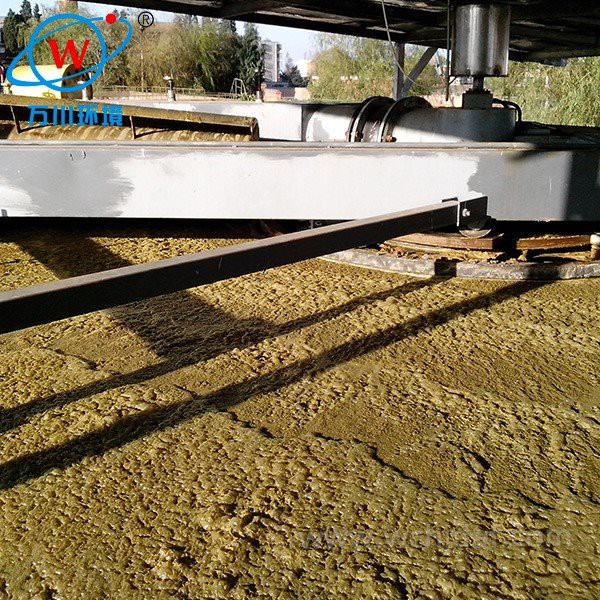
Negligence in operation and maintenance can easily lead to abnormal equipment conditions, such as insufficient bubble volume or incomplete sludge scraping, compromising system stability.
- Regular cleaning prevents filter media clogging and maintains optimal component function.
- Periodic inspection of component wear helps identify potential failures before they cause system downtime.
- Optimized reagent dosing plans ensure consistent floc formation and separation efficiency.
- Proactive maintenance prevents minor faults from accumulating into major operational disruptions.
The coordinated operation of auxiliary systems is crucial to stability. Synchronized adaptation of the dosing system, dissolved gas system, and electrical control system ensures smooth connection between each link, preventing a single system failure from affecting overall operation.
The cooperation of multiple systems significantly improves the stability and reliability of combined air flotation operation, creating a synergistic effect that enhances overall treatment performance.