
 english
 Combining air flotation with pretreatment and posttreatment processes creates a highly efficient treatment chain. Strengthening water quality regulation during the pretreatment stage ensures stable influent water quality, preventing fluctuations from affecting the air flotation effect.
Pre-filtration removes large particles, reducing the load on the air flotation equipment and allowing the system to focus on separating fine suspended solids and pollutants.
Simultaneously, adjusting the air flotation process type based on the influent water characteristics allows for complementary advantages of different process modules, improving overall separation efficiency and avoiding incomplete treatment due to limitations of a single process.
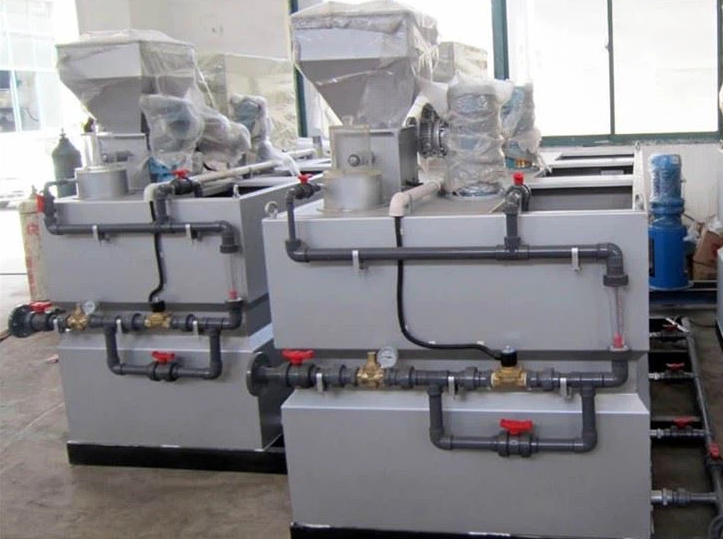
Selecting appropriate chemical types for the water quality and optimizing the chemical dosing plan avoids waste or insufficient effectiveness. Based on the composition of influent pollutants, selecting targeted flocculants and coagulants, and determining the optimal chemical ratio through experimentation, enhances the coagulation effect of pollutants.
- Forming stable, appropriately dense flocs that facilitate bubble adsorption and flotation.
- Simultaneously control the dosage of reagents to ensure thorough mixing and reaction between the reagents and wastewater.
- Avoiding localized over- or under-dosing, thus improving the targeting and effectiveness of flotation separation.
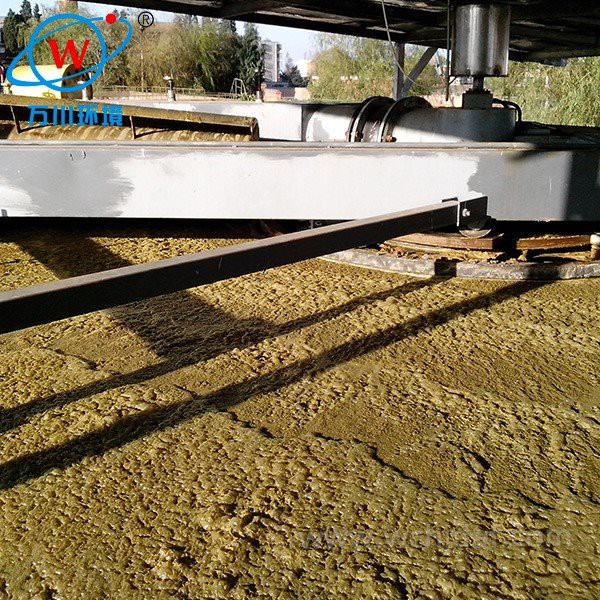
Regularly inspect and maintain the flotation equipment to ensure it operates at its optimal condition. Promptly clean residual contaminants from core components such as dissolved air tanks, releasers, and scrapers to prevent blockages or malfunctions, ensuring uniform bubble generation and stable buoyancy.
- Check equipment sealing performance and operating parameters regularly.
- Promptly repair wear and leaks to maintain rated processing capacity.
- Prevent efficiency degradation due to equipment failure through proactive maintenance.
- Ensure consistent bubble generation and stable buoyancy across all operational phases.
Precisely adjust key flotation operating parameters based on influent water quality and treatment requirements. Reasonably control dissolved air pressure and time to ensure sufficient microbubble generation, improving the adsorption efficiency of bubbles and pollutants.
Adjust influent flow rate and reaction time to avoid excessively high or low loads affecting treatment results and maintain stable water flow within the flotation tank.
Simultaneously monitor effluent quality, dynamically adjust operating parameters to adapt to water quality fluctuations, ensure continuous and stable treatment efficiency, and achieve compliance with discharge or reuse requirements.