
 english
 -
Preliminary Preparation and Inspection
Before commissioning, a comprehensive check of the equipment and pipeline status is required.
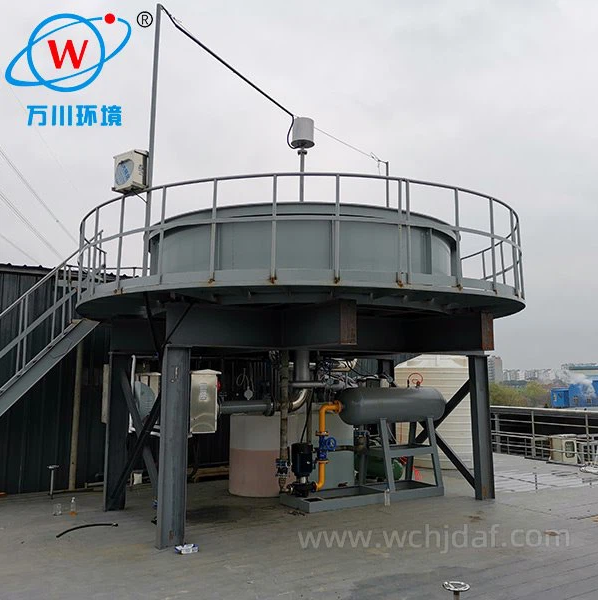
Confirm that core components such as the dissolved air tank, flotation tank, sludge scraper, and water pump are securely installed without looseness or damage.
Check the sealing of pipeline connections to prevent air or water leaks. Simultaneously, verify the electrical system, ensuring correct wiring connections, proper grounding, and that all instruments in the control system are calibrated and capable of collecting data and issuing commands.
Prepare the necessary tools, reagents, and testing equipment for commissioning. Clean debris and residual contaminants from the flotation tank to lay the foundation for subsequent commissioning.
-
Water System Commissioning
Start the inlet pump and slowly adjust the flow rate to the design value. Observe the rise of the water level in the flotation tank, ensuring the water level remains stable at the set mark without overflow or insufficient water level.
Check the flexibility of the valves in each pipeline, adjusting the valve opening to optimize water flow distribution, ensuring a uniform and stable water flow within the tank, avoiding dead zones or turbulence.
Test the water pump operating parameters to confirm that the head and flow rate meet the design requirements.
Simultaneously, check for blockages in the pipeline to ensure smooth water circulation.
-
Dissolved Air System Commissioning
Turn on the dissolved air pump and air compressor, and adjust the air intake and pressure to maintain the pressure inside the dissolved air tank within a reasonable range.
Observe the dissolved air release effect to ensure that the release device can uniformly release microbubbles with appropriate particle size and good stability.
Sampling and testing the dissolved air efficiency, and fine-tune the pressure and air intake based on the results to ensure the dissolved air content reaches the design standard, guaranteeing sufficient contact and adsorption between the bubbles and suspended solids in the wastewater.
-
Overall Trial Operation and Optimization
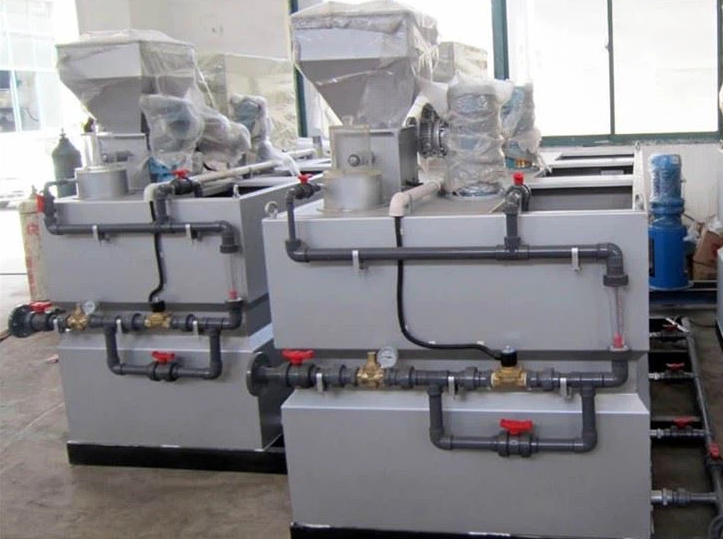
Add appropriate amounts of flocculant and coagulant aid, and start the entire system into trial operation.
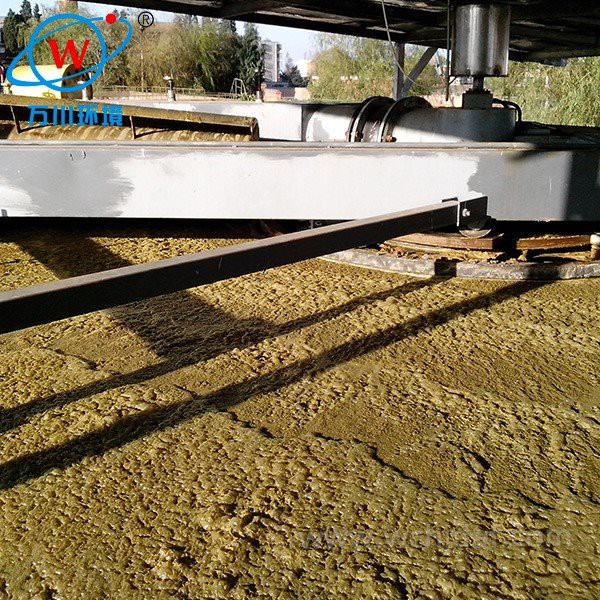
Observe the floating of suspended solids and the formation of scum, and adjust the scraper speed to ensure timely and thorough removal of scum.
Continuously monitor the effluent quality, analyzing indicators such as suspended solids removal rate and effluent transparency. Fine-tune the dosage of reagents, water flow rate, and dissolved air parameters based on the operating conditions to optimize the operating conditions.
After a period of trial operation, check for abnormalities such as unusual noises and overheating in the equipment, record the optimal parameters, and generate a commissioning report.
Home
>
News >
What are the commissioning steps for Dissolved Air Flotation Systems
What are the commissioning steps for Dissolved Air Flotation Systems
2026-02-10
No Information
You May Also Like
-
 How to Optimize the Performance of a Dissolved Air Flotation Unit
 -
 How to Improve Water Treatment Efficiency of DAF System
 -
 The Importance of Puncture Resistance in Cotton Bale Wrap Film
 -
 What are the core components of air flotation device
 -
 How to improve the quality of bubble generation of Air floatation device
 -
 Energy Consumption of Flotation Water Treatment Systems
Send Inquiry
Latest News